 Skip to content
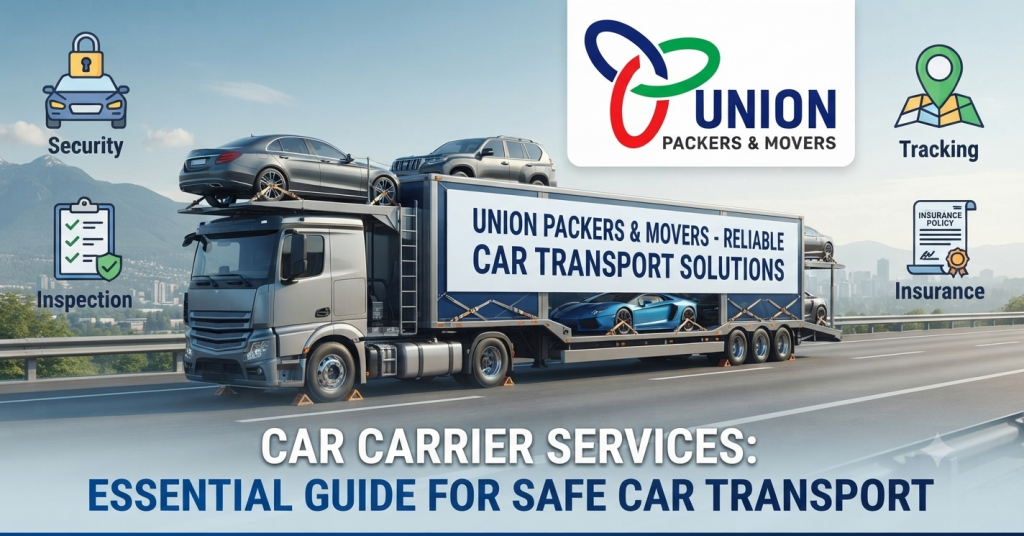
Having to drive a car from one city to another can be tiresome both in terms of travel and spending. Fuel, tolls, accommodation, extra mileage and work absenteeism can add up to a considerable sum, not to mention the time spent on the road.
Professional Car Carrier Services can offer a convenient solution by ferrying the vehicle from one city to another, while the owner can drive to the destination city separately or take up alternate accommodation.
A car carrier transports one or more vehicles using specialized loading equipment. Customers have a choice between different types of car carriers depending on the vehicle, distance, route, and level of security required.
Understanding how car transportation works, and the factors impacting car carrier price, can help customers book the service more confidently.
What Are Car Carrier Services?
Car Carrier Services refer to transportation options, which move vehicles from one point to another using a carrier vehicle.
Instead of driving the car to another city, it is loaded onto a carrier and transported to the desired destination. Carriers can be useful in cases of relocation, buying or selling a car in another city, or transporting a non-working vehicle. Based on the customer’s needs, multiple vehicles can be transported on the same carrier.
The type of service depends on factors such as: pickup and drop-off points, vehicle size and weight, availability of the carrier, open or enclosed transportation, vehicle condition, and the accessibility of the route.
When Should You Consider Car Carrier Services?
There are various situations when car transportation services can be handy. Here are some of the most common ones:
Moving to Another City
Anyone relocating due to work, business, education, or personal reasons may need to shift their car to another city as well. Car transportation can be useful in such cases, as it eliminates the need to drive the car over long distances, incurring extra expenses.
Buying or Selling a Car in Another City
Customers sometimes buy a car in another city, which can involve additional expenses to transport it. The same goes for owners selling their vehicles to a buyer in another city. In both cases, car transportation can be a convenient solution.
Transporting a Non-Running Vehicle
A non-working vehicle may require special equipment to be loaded onto the carrier. Such cases should be discussed with the carrier in advance. The price and loading mechanism may differ for a non-working car, compared to a vehicle that can be driven on its own.
Saving Time and Effort
Long-distance driving can be time-consuming and tiring. If the owner needs to take a detour on the way to their destination, it can incur extra expenses in terms of fuel, tolls, accommodation, and food. Depending on the circumstances, hiring a carrier can help the owner avoid these expenditures.
What Types of Car Carriers Are Available?
Based on the transportation needs, customers can select between different types of car carriers:
Open Car Carrier
This is the most common type of transportation, which is also the most affordable. Multiple cars can be loaded at once, and the service is available for most hatchbacks, sedans, and SUVs.
The vehicle being transported is secured but exposed to the external environment, so owners must understand the extent of protection offered before booking the service.
Enclosed Car Carrier
Such car carriers offer additional security and protection and are typically used for luxury sedans, premium SUVs, and vintage cars.
Since specialized equipment is needed, and the transportation capacity is limited, enclosed car transportation can be more expensive than open transportation.
Dedicated Car Carrier
A dedicated carrier can be booked for situations, when the customer wants to reserve the vehicle for their exclusive use instead of sharing it with other car owners.
The price depends on the distance, availability, and pickup location, as well as the size and type of the vehicle.
What Affects the Car Carrier Price?
There is no standard car carrier price, because every situation is different. Quotations may vary depending on distance, vehicle size and type, open or enclosed transportation, pickup and drop-off location, and vehicle condition. Here are the main factors in more detail:
1. Distance
It goes without saying that the longer the distance, the more it will cost to transport the vehicle. This is because of increased fuel consumption, driver wages, tolls, and other expenses. However, the price is not determined by the distance alone, since every carrier has a set of additional fees.
2. Type and Size of the Vehicle
A hatchback takes up less space than an SUV, which impacts the overall cost of transportation. Larger vehicles are more difficult to load and unload, and may require additional equipment for securing the cargo.
3. Open or Enclosed Transportation
As mentioned above, enclosed transportation requires special equipment and offers less capacity, which makes it more expensive than open transportation.
4. Pickup and Delivery Location
Narrow streets, limited access, underground parking, and other restrictions can contribute to additional expenses. If the carrier has to navigate through a complex route to reach the pickup point or the delivery point, this will impact the final price.
5. Vehicle Condition
A working vehicle can be loaded and unloaded with greater ease compared to a non-working vehicle. The latter may require additional equipment, depending on the model and its condition. Always inform the carrier about the vehicle’s condition in advance.
6. Timing and Availability
Urgent transportation or a specific pickup date may impact the availability of the carrier and the quotation. Flexible timing can be beneficial, since it may allow the carrier to consolidate multiple vehicles on the same route.
How to Compare Car Carrier Prices
While it may be tempting to compare car carrier prices across different providers, customers should pay attention to what is included in the quotation.
Prior to booking the service, it is advisable to ask the transporter about the pickup and delivery point, type of carrier, vehicle handling, estimated time of transportation, insurance, loading/unloading fees, additional costs, and other terms and conditions.
The quotation should clearly state what is provided by the carrier and what expenses are to be covered by the customer. Published rates should also be treated as a guide, because every order has different specifications, which impact the final price.
How Should You Prepare Your Car for Transportation?
Before the day of transportation, make sure that the vehicle is ready to be loaded on the carrier.
Here are some of the recommended steps:
Remove Personal Belongings
Make sure that all personal belongings, accessories, and documents have been removed from the vehicle.
Photograph the Vehicle
Take pictures of the vehicle to have a reliable record of its condition prior to transportation.
Insurance companies usually require pictures of the car’s front, back, sides, roof, and wheels, as well as the existing scratches and dents.
Check the Fuel Level
Follow the instructions provided by the carrier. Generally, the fuel level should not exceed ¾ of the tank.
A full tank increases the vehicle’s weight and can incur additional costs. At the same time, the car should still have enough fuel to be driven to the loading point if necessary.
Check for Personal Accessories
Remove all loose objects, as they can move during transit and cause damage to the interior of the vehicle.
Important Documents
Keep all relevant documents in a separate, secure place as instructed by the carrier. Do not leave any valuable papers, keys, or other objects in the car.
What Should You Check Before Handing Over the Car?
Before the car is loaded on one of the car carriers, make sure to go over the basic details and inspect the vehicle together with the transporter.
Double-check the model and registration number, pickup and delivery points, and any scratches or dents on the car. Also, ensure that the keys have been handed over, and that contact details are exchanged. Before handing over the vehicle, owners can also verify relevant registration and vehicle details through the official Parivahan Sewa portal.
How Long Does It Take to Transport a Car?
The duration of car transportation depends on the distance, route, and weather, as well as the availability of the carrier, the accessibility of the pickup/delivery point, and the type of service (dedicated or shared).
A reliable car carrier will be able to provide a realistic estimation, based on the given circumstances. Customers with a strict deadline should communicate their availability to the carrier.
Car Carrier Services vs Driving Your Car Yourself
Both car carrier services and self-driving have their advantages and disadvantages. Depending on the distance, time, and vehicle condition, customers can choose the most convenient option for them.
How to Choose the Right Car Carrier
To choose the right carrier, start by determining the pickup city, delivery city, model and condition of the vehicle, and the preferred date of transportation. A reliable booking process should clearly outline the transportation method, pickup procedures, estimated time of transportation, payment method, and vehicle handling. For expensive or luxury vehicles, it is advisable to ask for details about the level of security and protection offered prior to booking the service.
Frequently Asked Questions
What Are Car Carrier Services?
Car carrier services transport vehicles from one location to another using specialised equipment.
How Much Does a Car Carrier Cost?
The cost of a car carrier depends on the distance, size, and type of the vehicle, the type of transportation (open or enclosed), pickup and delivery point, and other factors.
Are Open Car Carriers Safe for Normal Cars?
Open carriers are safe for most vehicles. However, owners should ask the carrier about the security and protection features before booking the service.
Which Vehicles Can Be Transported Using Car Carriers?
Depending on the carrier, hatchbacks, sedans, SUVs, luxury cars, and even non-working vehicles, can be transported using car carriers.
Should I Choose an Open or an Enclosed Carrier?
An open carrier is usually a more affordable option for most car owners. Enclosed carriers offer greater security and are required for luxury, premium, and vintage vehicles.
How Can I Get an Accurate Car Carrier Price?
When requesting a quote, provide the carrier with the pickup and delivery point, the model and condition of the vehicle, and the preferred date of transportation. This will help the carrier give you an accurate quotation.
Need Car Carrier Services? Contact Us Today
For reliable car transportation and car carrier services, contact Union Packers and Movers Bangalore today and get a quote based on your vehicle and route.
